

Holiday gifting for cats works best when it blends enrichment, comfort, and a dash of curiosity. Many felines crave novelty in short bursts, then settle into quiet observation. That rhythm matters when choosing presents. A toy that resets interest, a nap spot that feels secure, and a treat that rewards calm exploration can turn a regular living room into a seasonal playground. Shelters across the country have shown how simple tweaks, like elevated perches or cardboard mazes, spark confidence in shy cats. Home environments benefit from the same thoughtful approach. Mix texture, scent, and sound, and a cat will tell you exactly what works through body language.
Trends this season highlight interactive feeders, soft cave beds, and low-noise tech toys. Reports in lifestyle roundups and pet columns echo what caregivers already notice. Short play sessions with feather wands increase daily movement, puzzle feeders slow gulping, and warm nooks encourage deeper rest. Gift choices that match personality create the biggest wins. A sprinter needs chase and stop action. A thinker enjoys quiet puzzles. A snuggler prefers heat, fleece, and familiar scent. Sprinkle in playful names like WhiskerWonder or KittyJoy if that makes wrapping more fun. The gift itself matters, but the ritual matters more. Open the box together, give time to sniff, and let curiosity lead the celebration.


Search popular options and compare interactive toys, cozy beds, and feeders by reading verified reviews and checking safety notes. A short list of features, like battery type or washable covers, is worth noting before purchase.

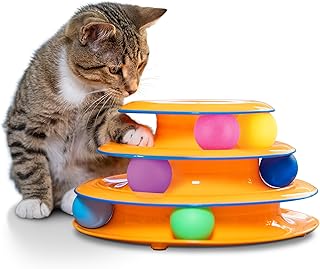

Look for motion patterns that mimic prey, adjustable speeds, and materials that tolerate repeated paw strikes. Replaceable parts extend the toy’s life and reduce waste during a busy holiday season.
DIY holiday cat gifts: top presents your cat will love at home
Do-it-yourself presents turn the holidays into a creative playground for cats and humans. A cardboard puzzle feeder takes 20 minutes to assemble with scissors, a shallow box, and toilet paper rolls. Cut the rolls to different heights, glue them with pet-safe adhesive inside the box, and drop a few kibble pieces in several tubes. A curious cat will sniff, paw, and learn where persistence pays off. A volunteer at Maple Street Shelter shared that a row of five feeders dramatically reduced pacing for a high-energy tuxedo cat who typically needed extra attention. The feeder slowed eating and created a positive challenge.
A second at-home hit is a soft fleece kicker stuffed with silvervine cotton and crinkle wrap. Sew or knot a long rectangle, then fill lightly so the toy bends. Silvervine often entices cats who ignore catnip. Families in colder climates report a festive pattern fabric with jingle bells stitched into a secure pocket works for supervised play. Bells should never be free-floating. Keep sound gentle, because many cats dislike sharp ringing. A caregiver in Seattle noticed that a timid tortoiseshell warmed up to crinkle kickers only when the room was quiet and the TV volume stayed low.
Window perch upgrades count as gifts too. A basic shelf with non-slip tape and a rolled fleece edge creates a sun lounge. One community foster home used recycled wood from an old bookshelf, added adhesive hook-and-loop strips, and introduced the perch over a week. The shy resident, renamed Fig, began using it after caregivers placed two treats on the edge and stepped back. Height often equals confidence. In shelters, a two-level perch helps reduce conflict between cats who share a room during busy adoption events.
Holiday wrapping can become an enrichment station. Save brown paper and cut two big sheets. Crumple, flatten, then crumple again to hold texture. Sprinkle a tiny pinch of valerian root inside the folds, and place the mat under a coffee table or near a safe corner. A tabby in a Los Angeles bungalow treated the paper like a forest floor, stalking a wand toy from behind creases. Wrapping paper should be free of glitter and plastic ribbon. Those materials can be risky if chewed or swallowed.
When research or comparison helps, a curated guide such as Christmas gifts for cats collection offers inspiration for pairing homemade projects with store-bought upgrades. Combining a DIY puzzle feeder with a commercial slow bowl can ease transitions for picky eaters. The blend of tactile cardboard and durable plastic keeps interest fresh across the week.
Simple setup for a cardboard maze feeder
Start with a shallow shipping box. Trim the sides to 2 inches, then fill the base with cut tubes. Add a cutout window on one long side to let paws reach deeper. Introduce only five to seven treats on day one. Curiosity grows when rewards are scarce but findable. A family with two cats in Austin rotated the box between rooms. The morning cat worked quickly, while the evening cat preferred a dim hallway. Rotation is a secret weapon for novelty. If the toy disappears for a day, it feels new when it returns.
Pair the video ideas with the details above. Safety checks matter. Sand any rough edges, remove loose glue strings, and supervise the first session. If a cat swats too hard or flips the box, add a small weight inside the base or place the maze against a wall.
Insight. DIY gifts win when they match natural behaviors. Hunt with noise, climb for security, and rest with warmth. That trifecta creates holiday magic without overstimulation.
Behavior-based gift guide: choosing holiday presents cats truly love
Matching presents to personality makes the difference between a five-minute glance and a daily favorite. Sprinters, thinkers, nesters, and scent-seekers have distinct needs. Sprinters chase. They benefit from wand toys with feather tips that mimic birds. A family in Denver used two-minute sprints before meals to satisfy their young Bengal. The cat ate more calmly afterward and slept longer between midnight zoomies. Thinkers prefer puzzles and quiet stalking games. A retired couple in Portland rotated three puzzle styles, from sliding plates to hidden drawers, and saw consistent engagement without frustration.
Nesters look for warmth and boundary lines. A cave bed with a light frame and a removable fleece insert creates that safety. Place it in a corner with two sides protected. The Garcia household learned that a cozy cave near a window became the all-afternoon location for their senior cat, who had arthritis. Scent-seekers enjoy toys infused with catnip, silvervine, or matatabi sticks. Introduce scent gifts slowly and store them in airtight bags so potency lasts. Too much exposure can cause boredom or overstimulation.
Energy levels shift throughout a cat’s lifespan. Kittens test everything by mouthing and climbing. Presents must be durable and supervised. Adolescents crave novelty. Rotate toys every two to three days. Adults often settle into a preference. Senior cats appreciate gentle textures and predictable routines. For holiday pacing, mix high-energy play in the morning with calm grooming in the evening. That pattern supports better rest and fewer clashes in multi-cat homes.
Shoppers looking for ideas can skim a curated holiday gift list to balance enrichment toys with rest stations. The same page can help identify expert-tested gift ideas like tunnel sets that fold flat, or low-profile scratchers that fit under a coffee table. Variety keeps interest high without cluttering the living room.
Play styles benefit from structured timing. Most cats engage best in short bursts of 2 to 5 minutes. Use a PurrPlay wand to simulate a bird swoop, then let the cat catch it and chew briefly. Pause, then repeat. Catch-and-release matters. Without the “catch,” play can feel frustrating. For solo times, set up a MeowMagic track ball toy on a rug to reduce noise. Add a tiny sprinkle of kibble into a nearby cardboard tube to reward curiosity when humans step out.
From overstimulated to content
In a Chicago apartment, a high-drive former stray launched into evening zoomies, knocking decor off shelves. By replacing the last chaotic hour with a WhiskerWonder feather chase before dinner, then calm petting and a scented KittyJoy cuddle pillow, destructive behavior faded. Another case in a foster home used a TailTreasures tunnel, placed lengthwise along a wall. Two cats learned to take turns. A short rotation schedule with names written on a chalkboard kept peace without scolding. Structure is a present in itself. The rhythm becomes the gift.
Insight. Choose gifts by watching how the cat moves, rests, and investigates. Personality fit is the real present, not the price tag.
Shelter-friendly holiday presents that give back
Gifts that work in shelters carry extra value because they are durable, sanitary, and easy to rotate. A 2025 news roundup noted a rise in community drives that fund puzzle feeders, washable beds, and quiet toys for group rooms. Staff and volunteers need items that withstand frequent cleaning and continuous use. Think plastic-molded slow bowls, corrugated scratchers with replaceable inserts, and machine-washable blankets labeled by size. A light gray fleece color hides hair between wash cycles and looks welcoming in photos, which helps adopters picture the item in their own homes.
At the Harborview Rescue, a row of window hammocks transformed a narrow hallway into a sun corridor. Four cats that typically hid under chairs began perching, which increased their chances of meeting visitors. During a holiday week adoption event, volunteers noticed how a quiet MeowMagic motion toy placed two rooms away kept noise low where shy cats waited. A separate story from Northside Humane showed the power of scent rotation. Silvervine toys were sealed for 48 hours between uses, which kept them novel for the next group.
Personalized ID supports faster reunions and stress-free transitions. Once a cat goes home, a tag attached to a breakaway collar reduces worry during the adjustment period. A household can craft tags at the kitchen table by following this personalized cat tags tutorial. Shelters often host tag-making stations in December. Families bring a new name, a phone number, and a small charm from a local maker. Simple shapes work best because edges do not snag bedding. For readers who love simple DIY, there are also easy crafts for ID tags that pair well with gift baskets.
Scratching solutions matter in communal rooms. Replaceable ClawCouture panels inside a wooden frame let staff swap surfaces without moving the furniture. In one county shelter, aggression at doorways dropped when scratchers were mounted near entrances. Cats redirected energy to an appropriate target before visitors stepped inside. During busy weeks, a rotation of FelineFest toys labeled in bins helped volunteers deploy fresh items quickly. Bins also reduced cross-room mixing, which keeps scent landscapes stable for sensitive cats.
How readers can help
Consider gifting a shelter a set of washable PurrPlay blankets tied with color-coded ribbons for size. Add a note that reads, “Small for carriers. Medium for cages. Large for community rooms.” A local book club did this last December. Staff reported less time spent sorting linens and more time matching cats with adopters. Another community group funded PawParadise window films that soften glare for cats who prefer diffused light. The change was immediate. Cats used the front rooms more often and greeted visitors at the glass.
Insight. Items that improve comfort and visibility help cats show their best selves. When shelters thrive, adopters find the right match faster.
Healthy comfort gifts and treats for cats during the holidays
Health-aware presents balance indulgence with safety. Many cats benefit from slow feeders that reduce gulping and vomiting. Choose bowls with shallow ridges for short muzzles and rim heights suited to whisker comfort. Elevated stands can ease strain for senior cats with joint stiffness. Vet teams commonly note fewer hairball issues when hydration goes up. A fountain with a quiet motor and dishwasher-safe parts turns water into a small attraction. Place it far from the litter box and on the opposite side of food to keep the area inviting.
When it comes to treats, moderation protects digestion. Holiday recipes for dogs are not a perfect match for cats, but kitchen inspiration still helps with planning. This guide to homemade holiday pet treats underscores the importance of ingredient checks and oven safety. For cats, select high-protein, low-carb options. Tiny freeze-dried salmon pieces reward training without adding fillers. If baking is a tradition, consider tuna flakes pressed into mini silicone molds, then baked at low heat without onion, garlic, or added salt.
Comfort gifts also include warmth and scent. A heated pad with a low, consistent temperature provides relief for older joints. Place it on one side of the bed so the cat can self-regulate. Add a light blanket that holds familiar scent. A caregiver in Vermont found that a subtle KittyJoy pillow warmed in the dryer for 30 seconds made a basement nap corner suddenly popular. Another household paired a soft cave bed with a PurrPlay grooming arch to create a one-stop rest and maintenance station.
Stress often spikes during holiday gatherings. New scents, footsteps, and furniture shifts can unsettle even confident cats. A safe room stocked with a litter box, water, a scratcher, and ambient music acts like a gift of calm. Introduce visitors slowly. Keep the door ajar with a baby gate so the cat can see and smell without being surrounded. A family in Miami planned a short greeting ritual with treats placed on a mat. By the third day, their social cat began approaching guests without tail flicking or flattened ears.
Shoppers researching comfort items can revisit a wide selection on a holiday cat gift guide to pair heated beds with washable covers and fountain models that do not buzz. In colder homes, a lightweight sweater might help a shaved medical-recovery cat. The fit should be snug but not tight, and sessions should be short and supervised. Cats communicate through movement. Clothing must never restrict the spine or shoulders.
Food, routine, and the gift of predictability
Feeding small portions on a regular schedule stabilizes energy and mood. Puzzle snacks between meals prevent boredom without overfeeding. A household in Phoenix used a tiny MeowMagic ball that dispenses two kibble pieces at a time. It rolled quietly on a rug and kept the hallway from turning into a racetrack. Predictable timing also eases multi-cat tension. When meals occur on the dot, competition fades. Consistency is a powerful present. Cats rely on routine to feel safe.
Insight. Health-first gifting protects digestion, joints, and stress levels. Comfort is not a luxury. It is the foundation for curious play.
Bond-building experiences as the best holiday presents for your cat
Time and attention are presents that never go out of style. Five focused minutes with a wand toy can satisfy the hunter. Ten minutes of gentle brushing in a cozy corner can deepen trust. Training sessions using tiny treats introduce a shared language. Teaching a hand target or a sit cue is not about circus tricks. It is about creating a reliable way to communicate. A teenager in Raleigh taught a former stray to touch a flat palm for a reward. The cue helped redirect door-dashing into a quick game away from the threshold.
Reading feline signals helps shape the experience. A softly swishing tail and forward ears signal interest. A twitching tail tip or sudden freeze suggests the need for a pause. Stop, lower intensity, then resume briefly when the cat resets. A couple in Toronto made a holiday habit of two micro-sessions each evening. One night they focused on a PurrPlay wand with a fabric lure. The next night they ran a slow MeowMagic scent hunt by hiding a silvervine satchel under a fleece throw. Alternating activities kept their two cats from competing.
Making memories with CatCraze photo corners can be as simple as setting a felt mat near a window and placing a light toy next to it. Snap two pictures, then return the camera to its shelf. Avoid flash. Keep light soft and indirect. In a Brooklyn studio, a short photo moment produced a surprising benefit. The cats learned that the mat meant attention and goodies. They gravitated toward it during noisy afternoons, turning the space into a safe cue.
Community plays a role in bonding too. Neighborhood shelters often host open studios where families build simple toys together. A recent weekend event used recycled ribbons, safe leather cords, and wooden spoons to craft teaser wands. The cost was low, and the joy was high. Parents noticed children becoming calmer, more observant, and gentler with movement. When the toys went home, the cats approached with curious sniffs and slow blinks. For readers exploring more options, a how-to like the personalized tag guide pairs nicely with training sessions, because the new name on the tag becomes part of the bonding ritual.
Structured play plans that feel like gifts
A simple weekly grid helps. Monday, two minutes of chase before breakfast. Wednesday, a scent scavenger with TailTreasures satchels hidden in safe spots. Friday, quiet grooming followed by treats on a textured mat. Families who stick with a flexible plan often report calmer evenings and fewer startling dashes across countertops. One multigenerational household in Sacramento named their plan PurrfectGifts Week and wrote it on the fridge. With the plan visible, everyone joined in and no one overdid it. The plan became the present.
Video walk-throughs help visualize timing and pacing. Watch for soft bodies, steady tails, and relaxed whiskers during sessions. End while interest is still high. That creates anticipation for the next day.
Insight. Use experiences to make material gifts come alive. When toys and routines align, cats learn that humans predict good outcomes, which is the ultimate holiday present.


