

There is a specific kind of disappointment that hits when a home looks tidy, windows are cracked, candles are off, and yet the air still whispers stinky litter. It is not just unpleasant. It can make guests hover near the doorway, make family members blame each other, and make cats avoid the very place meant to support pet hygiene. In shelter work, it often shows up as a barrier to adoption, because people remember smell more vividly than a cute photo.
The good news is that most litter box odor is not “mysterious cat stink.” It is chemistry, moisture, bacteria, and a few fixable routines. A fresh space is less about expensive gadgets and more about smart litter maintenance, the right materials, and small habits that build reliable odor prevention. The goal is simple: a fresh smelling home where the litter area blends into life instead of dominating it.
Stinky litter explained: why litter box odor builds up (and what people miss)
Most litter box odor starts with urine. Fresh urine has a mild smell, but as it sits, it breaks down and releases ammonia. That sharp “cleaning product” bite in the air is often ammonia, and it gets stronger when moisture lingers in corners, under clumps, or along the seam where litter meets plastic. Add bacteria, and the scent becomes heavier and more persistent, especially in warm rooms or poorly ventilated bathrooms.
A frequent mistake is assuming the cat is the problem. In behavior consults, the pattern is usually the box setup. One family, the Parkers, kept a covered box tucked beside a washing machine “to hide it.” The lid trapped humidity, the laundry room stayed warm, and the smell seemed to seep into towels. Once the cover came off and the box moved a few feet away from the dryer vent, the air improved within days, even before any new products were tried.
Another common misstep is partial cleaning. Scooping is essential, but it does not remove the thin film that builds on the bottom and sides. In a shelter cat room, a volunteer once insisted the odor was “just how cats are.” The real issue was that boxes were topped off daily but only fully emptied every few weeks. When the routine changed to a regular dump-and-scrub schedule, staff noticed a calmer room too, because cats can be sensitive to strong smells.
Moisture traps and “invisible” sources of pet odor control problems
Clumping litter can mask damp pockets if clumps break apart during scooping. Those crumbs act like tiny odor sponges. Plastic can also hold smells over time, especially if scrubbed with harsh cleaners that leave residue. A learning moment from a foster setup: a well-meaning helper used strongly scented disinfectant. The box smelled “clean” to humans, but two cats started perching on the edge and avoiding full use. Switching to mild soap and thorough rinsing restored normal habits and improved home freshness.
Diet and hydration matter too, but they are rarely the first lever to pull. A cat drinking less can produce concentrated urine that smells stronger. One senior cat, Rosie, had notably pungent clumps during a heat wave. Adding a second water station and wet food meals helped, but the biggest shift still came from better scooping technique and a deeper wash.
Understanding the cause makes odor elimination feel less like a battle and more like a routine that works. The next step is choosing prevention tools that fit real life.
Odor prevention that actually lasts: cat litter tips for a fresh smelling home
The most reliable odor prevention strategy is boring, and that is why it works. Waste out, moisture down, airflow up. Start with scooping frequency that matches the household. In many homes, twice a day is the sweet spot. Morning scoop prevents a full day of ammonia buildup. Evening scoop prevents overnight “marinating,” which is when many people notice the worst smell the next morning.
Technique matters. Clumps should be lifted from underneath, not chopped. When clumps break, small wet bits stay behind and feed the next wave of smell. In one adoption lounge, staff tested a simple change: slower scooping with a wider scoop head. The room smelled noticeably cleaner by the end of the week, and there were fewer “mystery odors” that led people to blame carpets.
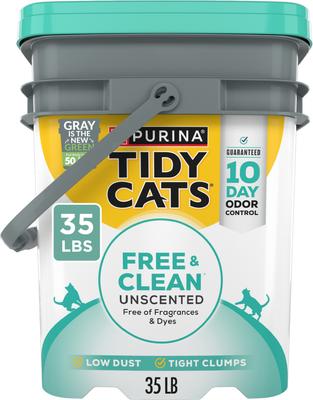
Litter choice is another practical lever. Some cats do best with unscented clumping litter because it lets humans detect problems early (like unusually strong urine) without perfume covering it. Scented litter can seem helpful, but it often mixes with ammonia and becomes a strange, sweet-sharp combo. A DIY-minded cat guardian, Lena, tried a floral scented product to improve home freshness. Her cat started kicking litter out aggressively and the smell spread further. Switching back to unscented and adding a simple mat reduced mess and improved pet odor control without any fragrance at all.
Gentle odor elimination helpers that avoid harsh chemical fog
Many homes do well with small, consistent add-ons rather than strong sprays. A light sprinkle of baking soda under the litter (not on top where paws dig) can help, provided the cat is not eating it and it does not create dust. A thin layer is enough, and the goal is support, not a powdery box. Good ventilation also counts as a “product.” A cracked window, a bathroom fan on a timer, or simply moving the box away from a damp corner can shift the entire room’s feel.
For multi-cat households, the number of boxes can be the make-or-break factor. In a two-cat apartment, one box often turns into a high-traffic restroom. Adding a second box in a quiet location reduced smell because waste was spread out and cats were less likely to “hold it,” which can lead to larger, smellier deposits later. This is one of those cat litter tips that sounds simple but changes everything.
When prevention is steady, the next challenge is making the box itself stop holding old odors, which comes down to cleaning habits and materials.
Watching a quick demo can help lock in better scooping and setup habits, especially for busy households that want routines to stick.
Litter maintenance routines that keep pet hygiene high and home freshness steady
Even the best litter cannot compensate for a box that has absorbed months of smell. Effective litter maintenance means treating the box like a kitchen tool. It should be safe, clean, and replaced when it becomes impossible to fully refresh. Plastic can scratch over time, and those tiny grooves trap residue. If a box still smells after a thorough wash and complete dry, it may be time to swap it out.
A workable deep-clean routine does not need fancy supplies. Warm water, mild dish soap, a dedicated scrub brush, and thorough rinsing cover most situations. Drying matters more than many people expect. Moisture left in the bottom creates a humid base layer, and that invites the next round of odor. In one foster home, a teenager rushed the job, refilled the box while it was still damp, and the smell returned within 24 hours. When the box was fully air-dried next time, the improvement lasted the whole week.
How often should a full dump happen? It depends on litter type, number of cats, and how aggressively scooping is done. A helpful benchmark is when the litter looks darker overall or the smell returns quickly even after scooping. In shelters, high-use boxes may need a full change every few days. In many single-cat homes, weekly or biweekly works. The key is consistency that prevents the “reset panic clean,” where everything gets scrubbed only after the room already smells.
Placement, airflow, and small environment fixes for pet odor control
Location is not just about hiding the box. A box crammed into a closet can trap humidity and concentrate litter box odor. A better approach is a discreet but breathable spot. A hallway nook with a washable mat often outperforms a closed cabinet, even if it feels less hidden. When people worry about guests seeing the box, a simple screen or well-placed plant can create visual privacy without sealing in air.
Household cleaning should support, not fight, the litter routine. Vacuuming around the box prevents tracked granules from holding scent. Washing the mat weekly removes the “halo smell” that makes a room seem dirty even when the box is clean. One family thought their cat was missing the box, but it was actually litter dust and tiny crumbs ground into the floor near the entrance. Once the area was cleaned and the mat replaced, the space smelled fresher and the cat’s paws stayed cleaner too, which improved overall pet hygiene.
Neglect has real downsides beyond embarrassment. Persistent odor can draw insects, and heavy ammonia smells can irritate sensitive noses, feline and human. Keeping the air clean supports calmer cats, easier cohabitation, and that steady feeling of home freshness that makes a living space feel cared for. A simple routine today is the easiest form of long-term odor elimination.
For households that want a visual walkthrough of deep cleaning and box refresh timing, a step-by-step video can make it easier to build a routine that sticks.


