

Cat toothbrushing looks intimidating at first glance, especially when a beloved feline already has opinions about nail trims, carriers, or new food bowls. Yet gentle dental care is one of the most powerful ways to protect long term cat health, from fresher breath and comfortable gums to reduced risk of infection in the rest of the body. Modern research in pet dentistry shows that most cats develop some level of dental disease surprisingly early, often by age three, but everyday habits at home can change that trajectory in a calm, loving way.
Many caregivers delay trying toothbrushes because the image in their mind is a wrestling match on the kitchen floor. The reality can be very different when pet dental care is introduced slowly, paired with favorite treats, and woven into an existing stress-free routine like evening grooming or lap time. Shelters and rescues that use this kind of gradual, reward-based approach regularly see previously nervous animals become relaxed participants in handling. With the right timing, tools, and a clear step plan, even cautious or former stray cats can learn that a quick mouth check is no big deal, just another sign of affection and safety.
Why stress-free cat toothbrushing matters for overall health
Behind every calm toothbrushing session hides a deeper goal: protecting a cat’s whole body from the silent effects of dental disease. Plaque is a soft, invisible film of bacteria and food particles that reforms within a day after teeth are cleaned. Left in place along the gum line, it triggers inflammation, sore gums, and eventually the destruction of the tissues that hold each tooth in place. For humans, that is uncomfortable enough. For cats, who are experts at masking discomfort, it can quietly progress for years before anyone notices.
Periodontal disease does not stop at the mouth. Researchers studying feline health have linked chronic gum problems to higher risks of kidney disease and other systemic inflammation. A cat can still eat while coping with aching teeth, so owners may only notice subtle signs such as turning the head when chewing, preferring softer food, or suddenly avoiding favorite chew treats. By the time bad breath is strong enough to smell across the room, there may already be pockets around the teeth where bone has started to dissolve.
Regular brushing interrupts that chain reaction. The simple action of bristles sweeping across the tooth and along the gum edge disrupts plaque before it can mineralize into rock hard tartar. Once plaque turns into tartar within 2 to 3 days, only a professional dental procedure can remove it, which usually involves anesthesia and specialized equipment. Home care does not replace veterinary dentistry, but it stretches the time between cleanings, reduces the depth of disease, and keeps most days pain free.
DentaLife Tasty Chicken Flavor Dental Cat Treats, 1.8-oz bag

For many families, the emotional impact matters just as much. Calm, positive cat oral hygiene becomes a daily check in. Caregivers notice small changes early, like one red spot on the gum or a chipped tooth, and can ask their veterinarian for help before the cat is in distress. A shy cat who learns that human hands around the mouth always move gently and are followed by a reward often becomes easier to medicate, groom, and examine in other contexts too.
Common worries are completely understandable. People imagine their cat clawing away, hiding under the bed, or refusing to come when called once the toothbrush appears. In practice, these outcomes usually happen when brushing is introduced as a sudden, full procedure instead of a slow training game. Cats thrive on predictability and choice. When tooth care is broken down into tiny steps, each paired with praise or a high value treat, they feel in control. That sense of safety is the foundation of any truly stress-free routine.
There are countless real world examples of this change. One retired couple adopted a senior cat from a shelter who had already needed several extractions. At first, he would flatten his ears and clamp his mouth shut if they even stroked his cheeks. Over a month of calm, two-minute sessions with soft cheek rubs and a fingertip dipped in tuna water, he started to lean into the touch. By the end of the second month, he tolerated a few gentle brush strokes on the canine teeth without tension. His follow up vet visit showed healthier gums and less buildup, and equally important, his relationship with his people was stronger than ever.
WHIMZEES by Wellness Natural Chicken Dental Cat Treats, 4.5-oz bag

Another family with a young, very playful tortoiseshell simply added toothbrushing to their nightly antics. After an energetic wand toy session, they would let her chase the toothbrush like a toy, then sniff and lick cat-friendly paste. Only after a week of this did they attempt to touch one tooth. Because the activity felt like part of normal cat grooming and play, she accepted it quickly. Their experience illustrates a core principle: dental care is most successful when it blends naturally into the cat’s existing daily life instead of feeling like an isolated, mysterious event.
With that understanding of why mouth care matters and how powerfully it can support whole body wellbeing, the next step is to prepare the setting. The right place, tools, and timing can turn a potential battle into a quiet, almost cozy ritual that benefits both cat and human.
Preparing for calm, low-stress cat toothbrushing at home
Preparation sets the tone long before a toothbrush touches a tooth. Cats are highly sensitive to context, so the room, the human’s body language, and even background sounds can decide whether they settle or struggle. A quiet, familiar spot, such as a favorite armchair, a window perch, or the bed where a cat usually naps with their person, sends a strong message of safety. Loud TVs, clattering dishes, or children rushing in and out raise arousal levels, which makes any new handling more difficult.
Choosing the tools for pet dental care is equally important. A small, soft-bristled toothbrush designed specifically for cats or for human babies protects delicate gums. Some families prefer finger brushes that slide over a fingertip, while others use cotton swabs or dental wipes if their cat is particularly wary. Whatever option is chosen, the surface should be gentle enough to rub without scratching yet firm enough to mechanically disrupt plaque along the gum line.
Toothpaste for cats is less about chemistry and more about taste and comfort. Since felines cannot rinse and spit, human toothpaste is off the table because it often contains ingredients that are unsafe when swallowed. Cat-safe formulas avoid these and come in flavors like poultry, fish, or malt that many cats consider a treat. In truth, it is the brushing motion that removes plaque, but a pleasant flavor turns the entire experience into a sort of edible game. Pressing the paste into the bristles, rather than leaving it on top, prevents a cat from simply licking it off and walking away.
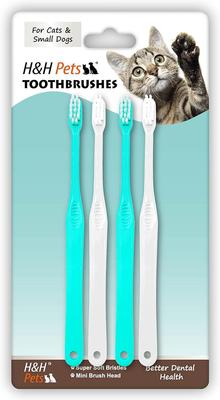
H&H Pets Cat & Small Dog Toothbrush, 4 count
A caregiver’s own preparation matters too. Hands should be washed, nails trimmed short, and the overall posture relaxed. Sitting or kneeling behind or beside the cat, rather than looming from the front, feels less threatening and allows the feline to move away if they need a break. Some people place a favorite blanket or towel on their lap and let the cat settle there, which also has the side benefit of catching any drips of toothpaste. This lap perch quickly becomes associated with coziness, brushing, and then treats or cuddles.
Timing can make or break early sessions. Trying to introduce a toothbrush to a cat currently racing around the house or staring intently at birds outside is inviting frustration. Instead, picking a moment just after a meal, a grooming session, or a nap takes advantage of the natural lull in energy. Calm cats with half closed eyes and slow blinks are far more receptive to gentle handling around sensitive areas like the mouth. Observing daily patterns for a few days helps identify the natural “quiet windows” for that individual.
One handy example comes from a busy household with two school aged kids. Their tabby, Nori, was always most relaxed after story time, when one parent would read on the sofa and Nori would curl against their legs. Rather than creating a new time slot, the parents simply added mouth handling to this already soothing habit. For the first week, they only stroked her cheeks and lifted a lip once. Within two weeks, Nori would come trotting over when she saw the blanket appear, clearly expecting her usual affection, with a tiny bit of mouth handling folded in.
Another family caring for an anxious rescued tom chose a small guest room as their brushing zone. They placed a low lamp, a familiar scratching post, and a soft bed there, and used it daily for quiet play and petting. Only when the cat visibly associated the room with comfort did they introduce the toothbrush. Because everything else in that environment signaled safety, his stress level stayed low even when something new appeared in their hand.
H&H Pets Dual Headed Dog & Cat Toothbrush, 8 count

Environment preparation extends to the human’s emotional state. Cats are astute observers of tension in shoulders, voice tone, and breathing. Whispering apologies or holding the breath signals that something scary might be happening. Speaking in a normal, warm voice, perhaps even narrating what is being done, reassures many felines. Some caregivers even hum softly while brushing, which not only calms themselves but mimics the steady, low vibration of a purr that is associated with relaxation.
A final preparatory step is veterinary input. Before starting any home cat oral hygiene plan, the mouth should be examined by a professional. Brushing over an already painful tooth, abscess, or resorptive lesion can permanently convince a cat that toothbrushing equals pain. After a cleaning or extractions, once the mouth heals and is comfortable again, gentle home care can begin on a much more positive note. Think of the vet as a teammate in building a safe routine, not just someone who steps in once things go wrong.
With tools chosen, a peaceful spot established, and timing on your side, it becomes much easier to move into the actual training stages. The magic lies in tiny steps, repetition, and always ending on a good note.
Gradual toothbrushing tips for a truly stress-free routine
Teaching a cat to accept brushing is a form of routine training, similar to harness practice or carrier games. Instead of expecting instant success, the process is broken into miniature skills: enjoying touch around the mouth, accepting a fingertip inside the lips, feeling a soft material on the teeth, then finally tolerating a brush. Each step is repeated for several short sessions until the cat’s body language says “this is fine.” Only then is the next piece added.
The first stage is simply helping the cat enjoy contact near the muzzle. During normal petting, gentle strokes along the cheeks, under the chin, and at the corners of the lips teach that hands around the face are pleasant. Over a few days, the strokes can migrate closer to the whiskers and lips, always watching for relaxed posture and slow blinks. If the cat pulls away, the human simply returns to petting the neck or shoulders and tries again another time. Respecting those small “no thanks” signals is central to reducing pet stress.
Once cheek handling feels routine, a clean fingertip can briefly slide under the upper lip to touch the outer surfaces of the front teeth. This does not need to last more than a second or two initially. A quiet “good job” and a small treat immediately after closes the loop in the cat’s mind: strange feeling, then praise, then reward. After a week or so of practicing this with the front teeth, the same technique can extend to the sides, gently pulling the lip back to reveal the premolars.
VETRADENT Dog & Cat Dental Water Additive, 17-fl oz bottle

The next step is introducing a moist cloth, finger cot, or glove. The damp texture mimics the feeling of a brush without bristles. Rubbing this gently along the visible surfaces of a few teeth per session gives the cat time to get used to the new sensation. Caregivers who enjoy DIY projects sometimes cut a strip of soft cotton from an old T shirt and wrap it around a finger for this purpose. Because cats often enjoy anything that smells faintly like their favorite person, this homemade tool can be surprisingly well accepted.
Only when the cat is unfazed by this stage is the toothbrush itself revealed. Rather than immediately aiming it at the mouth, many people let their cat investigate it on the floor first. Placing a dab of flavored toothpaste on the bristles and letting the animal lick it off turns the brush into a kind of puzzle feeder. Over two or three days, the caregiver moves from only licking to gently pressing the brush against one canine tooth, then sliding it along in small circles for a second at a time.
Real life stories show how forgiving this process can be when handled kindly. One indoor-only black cat, Luna, was notorious for objecting to nail trims, so her caregiver assumed toothbrushing would be impossible. By focusing only on mouth handling for the first three weeks and pairing each attempt with a tiny piece of favorite freeze dried meat, Luna gradually went from tensing at lip lifts to tilting her head for easier access. When the toothbrush finally appeared, she treated the chicken flavored paste like a fun snack and tolerated two or three strokes from the start.
In another case, an older orange tabby named Rio disliked having his mouth manipulated at all, likely due to past rough handling before adoption. His person discovered that lying him in their lap belly up was too vulnerable, so they switched to letting him sit normally on a dresser near a sunny window. Approaching from the side, they kept every early session to no more than ten seconds, then followed it with window bird watching and a brushing of his fur. It took longer, but within two months he could handle a full thirty second brush of his front teeth without complaint.
Virbac C.E.T. Enzymatic Poultry Flavor Dog & Cat Toothpaste, 70 gram

Sessions should always stay short and end on the last clearly successful behavior, not the first sign of struggle. For the first week of using the actual toothbrush, touching only two or three teeth in total is enough. Over time, strokes can extend along more teeth and last longer until, eventually, both sides of the upper teeth and the visible part of the lower teeth receive a quick clean. Many cats never allow perfect access to every surface, and that is fine. Any consistent brushing, even a partial job, provides meaningful health benefits.
Throughout all of this, the guiding attitude is flexibility. If on a particular day the cat is restless or disinterested, it is better to skip or shorten the session than to force it. Skipping one night will not undo progress, but insisting when the cat is not in the right mood can create setbacks. Over weeks, patterns emerge, and dental care becomes just another small ritual like providing fresh water or fluffing a bed. That is the heart of making cat toothbrushing an everyday, low pressure habit.
Video guides that show soft handling and real feline body language can be encouraging during this learning phase, especially when they feature imperfect, wiggly cats instead of professional actors.
Making cat toothbrushing pleasant with rewards and routines
Even the best technique benefits from a touch of bribery in the form of rewards. Cats respond strongly to immediate outcomes, so a tiny treat, play session, or cuddle right after brushing ties the experience to something they genuinely value. Choosing rewards that fit a particular cat’s personality is vital. A food motivated feline might work happily for a single crunchy dental treat, while a more social cat may prefer enthusiastic chin scratches on the sofa.
Some families use special snack rituals that only appear at brushing time. For example, a high quality dental bite, perhaps like those reviewed on pet wellness blogs, can double as both reward and extra support for tartar control. Resources such as seasonal treat guides for cats are helpful for discovering new flavors while still prioritizing safety. The key is to keep portions small so overall nutrition and weight remain balanced.
Verbal reassurance acts as a reward as well. Throughout each session, speaking in a low, steady tone helps many cats stay relaxed. Simple phrases like “good job” or “that is enough for today” said in the same way every time become cues that the cat can understand. Some caregivers pick a specific word they say right before and right after brushing. Over time, that word signals that brushing will be brief, predictable, and followed by something nice.
Potaroma Chew Ropes Cat Toy, 3 count

Integrating brushing into a familiar schedule transforms it from an unpredictable event into a normal habit. Pairing mouth care with existing grooming such as combing, or with evening wind down time, gives the cat a clear script to follow. In many households, the progression looks like this: a short play session, a small meal, a five second brush of two teeth, then snuggles on the couch. The brain starts to expect this flow, which reduces anxiety and resistance.
Case examples show how impactful this simple structuring can be. One guardian of two sibling cats discovered that trying to brush them in the morning while everyone was rushing for work created tension. Switching to late evening, after the cats had eaten and were dozing near a heater, made a dramatic difference. Within ten days the siblings barely opened their eyes when the toothbrush appeared, because everything else in that setting predicted calm and security.
Another practical trick is to keep all dental tools out of sight between sessions but in the same small basket or box. When the basket appears, brushing follows. Then it disappears again right afterward. This clear on off signal prevents random flashing of the toothbrush that might make a cat suspicious at other times of day. The more consistent the signals, the easier it is for felines to relax into them.
Owners who love crafting sometimes build small “dental stations” with a low shelf, a cushioned mat, and a handful of favorite toys or comfort objects. Cats quickly learn that this little corner is associated with mild handling, soft voices, and extra attention. Combining that with the brief sensation of brushing creates a positive blend. For shelters and rescues, similar setups using washable bedding and simple toys can help staff or volunteers perform gentle mouth checks on adoptable cats with less stress.
Virbac C.E.T. Aquadent Fr3sh Dog & Cat Dental Solution, 16.9-fl oz bottle

Reward strategies also apply to humans. Many people feel nervous about accidentally hurting their cat or doing something wrong. Setting a realistic goal, such as “touch one tooth tonight” instead of “brush the whole mouth,” and then mentally celebrating that success helps maintain motivation. Reading supportive articles on feline wellbeing or browsing creative enrichment ideas on sites like Claws and Fur Friends can remind caregivers that small acts of care add up to a happier life for their companions.
In this way, toothbrushing stops being a dreaded task and becomes a tiny daily ritual of connection. Brushing, like play or hand feeding, turns into another language of love between species, as long as the rhythm is gentle, the rewards are thoughtful, and the cat always has the option to step away when they need a break.
Handling hiccups and common toothbrushing problems calmly
Even with careful preparation, some bumps in the road are normal. Common reactions include pulling the head away, stiffening the body, or flicking the tail when the toothbrush comes near. Sometimes a cat may give a small warning nip or use their paw to push the hand aside. These behaviors are not signs that brushing is hopeless. Instead, they are valuable feedback that the current step is too big or that the cat has started to associate a particular motion with discomfort.
The first response to any pushback should be to pause, not to push through. Ending the session, offering a calm pet on the shoulder or chest, and perhaps still providing a small treat teaches the cat that they will not be forced when they are uncomfortable. At the next attempt, the caregiver can return to an earlier training step: perhaps just lifting the lip without touching a tooth, or only allowing the cat to lick paste off the brush. Once confidence is rebuilt at that level, progress can resume in smaller increments.
Some challenges are rooted in pain rather than training. If a previously tolerant cat suddenly resists, drools, paws at the mouth, or cries when a certain area is touched, that is a clear signal to stop and schedule a veterinary exam. Hidden issues like tooth resorption, fractured teeth, or deep gum pockets are only visible with proper tools and X rays. Continuing to brush over such an area, hoping the cat will “get used to it,” risks both their health and the trust between cat and caregiver.
VetriScience Perio Dental Care Powder Clinically Tested Breath & Plaque Control Supplement for Dogs & Cats, 4.2-oz...

Veterinary professionals today strongly recommend regular dental checks throughout a cat’s life, not only in old age. At these visits, the vet can explain what parts of the mouth are most important to focus on at home and whether other tools such as dental diets, water additives, or chews would be helpful. When brushing truly is not possible or safe because a cat reacts aggressively despite months of gentle work, those alternatives become especially valuable.
Real world scenarios highlight the importance of adapting strategy rather than giving up. A middle aged rescue cat named Jasper reacted badly any time his upper right jaw was approached. After a vet visit and dental X rays, a painful lesion was found under the gum of one tooth. Once the tooth was removed and the area healed, his tolerance for brushing on that side improved dramatically. The problem had never been “stubbornness.” It was pain.
On the other hand, a young vocal Siamese, Willow, developed a habit of swatting at the toothbrush as if it were a toy. Instead of becoming frustrated, her family leaned into that playfulness. They allowed her to bat at an old, dry brush for a few seconds, then swapped it for the real, paste covered version and quickly brushed while she licked. Over time, the swatting decreased as she realized licking quietly earned her more of the flavor she loved.
Humans sometimes make honest mistakes too. Common missteps include trying to hold the mouth open like a dog’s (which cats usually hate), going too fast when adding new areas, or brushing for too long when the cat is already showing mild stress. Observing short, early signals like ears turning slightly back, tail tip twitching, or whiskers pulling forward helps a caregiver know when to shorten a session. Addressing the tensions at this stage prevents escalation into full blown struggles.
If a household has more than one cat, it may help to train each animal separately at first, in different rooms. Watching another cat resist or run away can raise anxiety in a second cat. Once each individual has built some positive experiences, they can sometimes be brushed sequentially in the same space, especially if everyone receives a treat afterward. The atmosphere then feels like a shared snack time rather than a punishment line.
Online, more resources are appearing that focus specifically on low stress handling. Seeking out videos and articles from qualified behaviorists or feline focused veterinarians can offer additional ideas when progress plateaus. A quick video search, for example, often uncovers demonstrations of comfortable, cooperative brushing that reassure caregivers their own wiggly efforts are headed in the right direction.
Combining professional advice, thoughtful observation, and patience equips any dedicated cat lover to navigate common brushing problems. Over time, the occasional hiccup becomes just another part of living with a highly intelligent, opinionated companion, not a reason to abandon cat toothbrushing altogether.
Respecting your cat’s pace and personality in long-term dental care
Every cat approaches new experiences with a unique blend of curiosity, caution, and preferences. Respecting that individuality is essential if dental care is going to remain sustainable for years. Some felines slip easily into a full brushing routine within a month. Others may only ever tolerate a few passes on the front teeth every other night. What matters most is that the process honors both physical comfort and emotional security.
From a behavior perspective, forcing “perfect” hygiene at any cost usually backfires. A cat who is pinned, wrapped too tightly in a towel, or brushed through intense struggling may allow it once or twice but quickly learns to flee long before the toothbrush comes out. In contrast, a cat given choices, breaks, and the occasional skipped session learns that their boundaries will be respected. That sense of agency reduces fear, which in turn increases cooperation.
Long term routines often blend several strategies. A family might brush most days, offer a VOHC accepted dental treat a few times a week, and add a safe water additive to support plaque control. Over holidays or busy weeks when brushing is less consistent, these backup tools help maintain some level of cat health protection. Resources that review dental treats and additives can be helpful when choosing among the many products that appeared on shelves by 2025. Seeking those with strong evidence and professional recommendations is always wise.
Realistic goal setting keeps everyone encouraged. Instead of aiming immediately for “brush two minutes daily,” a more helpful target might be “have three calm sessions this week where at least one tooth on each side is touched.” Once that is comfortable, the goal can expand. This flexible mindset mirrors how people approach their own wellness changes, such as building a new exercise routine or meditating. Slow, steady steps beat short lived bursts of perfectionism.
Emotional rewards for caregivers should not be underestimated either. Many people find that these brief toothbrushing moments deepen their connection with their cat. Looking closely at a beloved face, noticing the unique pattern of whiskers and the slight color differences in the gums, creates a feeling of closeness. Around festive times or special days, some families even turn the post brushing treat into a small celebration, perhaps trying a new safe recipe inspired by articles about homemade cat treats adapted for everyday use.
Of course, there will be seasons in a cat’s life when brushing routines need adjustment. Kittens losing baby teeth may find gum handling temporarily uncomfortable, so a lighter touch or brief pause could be necessary. Senior cats with arthritis may prefer brushing while lying on a supportive bed rather than being held on a lap. After any dental procedure, always following the veterinarian’s advice about when to resume home care ensures that healing is complete first.
Story after story from shelters, rescues, and home environments shows that cats are capable of far more cooperation than many people assume, provided they are approached with empathy. A timid former stray who once cowered in the back of his cage can, over months of patient work, become a confident companion who gently accepts a daily mouth check. A boisterous, playful youngster can learn to pause for thirty seconds of brushing before bouncing off to chase toys again.
For those who enjoy reading about wider feline wellbeing and DIY enrichment, exploring resources like creative cat care guides can provide fresh ideas to pair with dental routines. New scratching posts, window perches, or puzzle feeders, many of which can be made at home, all contribute to a richer life. A cat whose needs for play, rest, and choice are met fully is more likely to approach toothbrushing as just one more small, acceptable part of their day.
Ultimately, gentle, consistent toothbrushing tips, appropriate tools, and a flexible mindset turn a potentially stressful task into a manageable act of caregiving. When each stroke of the brush is framed as an expression of love rather than a chore, both human and feline can settle into a lasting, collaborative approach to mouth care. Try starting with one simple step this week, listen closely to the signals your cat sends, and let the routine grow naturally from there.


