

A cat urine odor can feel like it “moves in” faster than the cat does. One day the house smells normal, and the next there is that sharp note that clings to the hallway runner, the couch throw, and even the laundry basket. The frustrating part is how a household odor can seem to disappear after a quick wipe, then reappear on a humid morning or right after the heater kicks on. That bounce-back effect is not imaginary, and it is not a sign that cleaning “never works.” It usually means the urine soaked past the surface layer, or the wrong product was used for the chemistry involved.
When a new cat care routine is still settling in, accidents and stress marking can happen even in loving homes. Shelters see it constantly: a cat that used the box reliably in one environment may miss once in a new place, then return to the same spot because the scent message remains. The good news is that the problem can be handled without turning the home into a chemical zone. With smart detection, the right pet odor removal tools, and a few habits that support cat behavior, rugs and fabrics can stay welcoming. The key is treating odor as both a cleaning job and a communication issue, because cats read scent like a bulletin board.
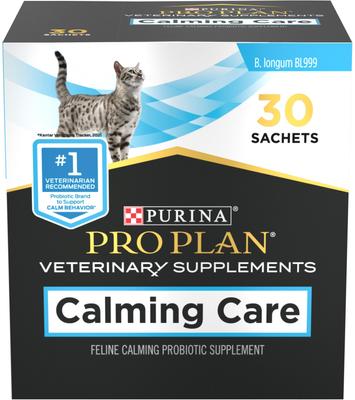
Purina Pro Plan Veterinary Diets Calming Care Cat Supplement, 30 count
Why Cat Urine Odors Stay in Rugs and Fabrics (And Why They Come Back)
The reason cat urine odor is so persistent starts with what urine is made of and how it changes over time. Fresh urine contains urea, urochrome (the pigment), and uric acid. The urea quickly breaks down as bacteria get to work, releasing ammonia, which creates that sharp “just noticed it” smell. Uric acid is the real long-term troublemaker because it can form tiny crystals that bind to fibers and do not dissolve well in plain water.
On a rug, urine does not stop at the visible stain. It wicks downward into the pile, the backing, and sometimes the pad underneath. In one shelter intake room, a sweet adult tabby named Pippa repeatedly chose the same corner of a washable runner. The top looked clean after mopping, yet the smell returned every few days. Once the runner was lifted, the padding underneath was damp and holding the odor source, which explained the constant rebound.
Fabrics behave similarly. A blanket on a sofa can absorb urine, then transfer it in small amounts to other items in the wash basket. That is how a single accident becomes a whole-home household odor. Another real-world example came from a foster home that used a heavily perfumed spray on a throw. Visitors said it “smelled clean,” but the cat began re-marking that same throw, likely because the urine signature remained and the perfume added an irritating layer on top.
Comfort and hygiene take a hit when odors linger. People often report headaches or throat irritation, especially in small apartments where ventilation is limited. The smell also affects daily routines. Laundry piles get avoided, the living room rug becomes “off-limits,” and guests stop feeling comfortable taking a seat on the floor. The final twist is behavioral: if the scent is not fully removed, cats may interpret that area as an approved bathroom spot, making stain prevention harder each week. The next step is learning to find every spot, not just the obvious one.
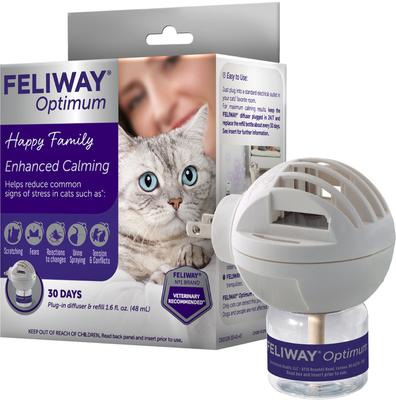
Feliway Optimum Enhanced Calming 30 Day Diffuser for Cats
How to Detect Hidden Urine Spots Quickly (Including UV Light)
Fast detection is the difference between a single clean-up and a recurring odor cycle. The first skill is noticing patterns. Cats tend to choose edges of rugs, corners near doors, the same laundry pile, or soft items that carry human scent. If a new cat is circling, sniffing, or pawing at one area repeatedly, that is often the map.
A rug cleaning check can be done in layers. Start by smelling close to the surface, then press a clean white towel into the rug pile and sniff the towel. This catches what the nose misses from standing height. For laundry, sniff the item when it is dry and again when it is slightly damp. Uric acid crystals “wake up” with moisture, so a faint problem becomes obvious.
UV flashlights can be a game changer when used correctly. Wait until the room is dark, turn off as many ambient lights as possible, and scan slowly. Urine often fluoresces, but so can certain detergents and food stains. The trick is confirmation: dab the glowing area with a damp paper towel and smell it. In one behavior consult for a family with two kids, the UV light revealed three tiny spots along a baseboard near the litter box. No one had noticed them, but the cat had, and kept returning to that wall.
Once a spot is found, mark it with painter’s tape so it is not lost mid-cleaning. That simple move prevents the classic mistake of cleaning “around” the area and leaving the core untreated. With locations identified, choosing the correct odor neutralizer becomes the next make-or-break decision.
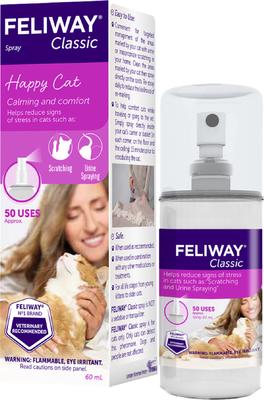
Feliway Classic Calming Spray for Cats, 60-mL
Rug Cleaning That Actually Removes Cat Urine Odor (Not Just Covers It)
Effective pet odor removal on rugs starts with one rule: absorb first, then break down the residue. For fresh accidents, blot with thick paper towels or clean cotton cloths, pressing firmly to pull liquid up. Scrubbing pushes urine deeper, which makes the pad underneath the silent storage unit for odor.
Enzymatic cleaners are the gold standard because they digest the compounds that cause the smell. A common cleaning slip is combining products, such as using soap or disinfectant first and then applying enzymes. Many cleaners leave residues that reduce enzyme performance. In a rescue adoption room, a volunteer once pre-treated a stain with a multipurpose spray, then added enzyme cleaner. The smell lingered for weeks until the area was re-treated properly, with the enzyme applied to a rinsed, residue-free spot.
For application, the rug must be saturated to the same depth the urine reached. That often means using more product than expected. Follow the label timing, then blot, and allow full air-drying. Covering the area with a laundry basket can discourage re-checking while it dries, which supports stain prevention by breaking the habit loop.
Home remedies have a role, but they are best used as support, not the final answer for strong odor. A 50 50 mix of distilled white vinegar and water can reduce ammonia smell quickly and is useful when the right product is not on hand. Baking soda can absorb lingering smell once the area is mostly dry. On humid days, however, baking soda alone may not prevent odor rebound because it does not remove the uric acid source.
Heat is another frequent mistake. Steam cleaning or hot water extraction can set odor into fibers and activate lingering compounds. For rugs, cool or lukewarm methods are safer unless a professional confirms a process designed for urine. When a stain has soaked through to pad or subfloor, sometimes the only lasting fix is replacing the padding section, then treating the floor beneath with an enzyme product before reinstalling. It is not dramatic. It is simply matching the solution to the depth of contamination. Next comes the other half of the problem: keeping laundry freshness when fabrics get hit.
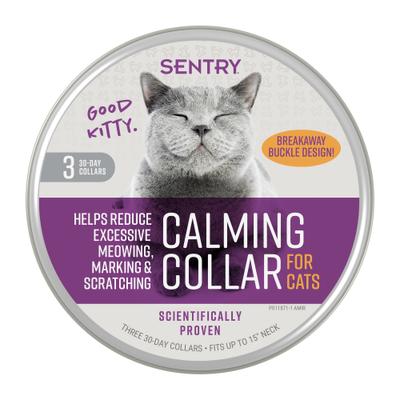
Sentry Good Behavior Calming Collar for Cats, up to 15-in neck, 3 count
Laundry Freshness After Accidents: Washing Clothes, Blankets, and Cat Bedding Safely
When urine hits laundry, the goal is to stop odor from bonding to fibers during the wash. A simple but important step is pre-rinsing with cool water. Hot water can set proteins and intensify odor, especially on synthetic fabrics. If an item is heavily contaminated, shaking off solids (with gloves) and rinsing from the back side of the fabric helps push residue out rather than deeper in.
Detergent choice matters for laundry freshness. Unscented detergents are often kinder for cats and humans because heavy fragrance can mix with leftover odor and create a confusing smell profile. Adding one cup of distilled white vinegar to the rinse cycle can help cut through ammonia notes. Baking soda can be added to the wash as a deodorizing booster, particularly for towels and cotton throws. For a foster caregiver who managed seven cats at once, the most reliable routine was a cold wash with enzyme laundry additive, then an extra rinse. That extra rinse prevented “phantom odor” that shows up when fabrics warm up on the body.
Cat bedding deserves its own rhythm because hair and dander trap odor. Running bedding in the dryer on low for 10 minutes before washing can pull surprising amounts of hair into the lint trap. Then wash on cold with unscented detergent, and dry completely. Partially dried blankets can hold a faint smell that blooms later. A small learning moment from a multi-cat home: a favorite fleece blanket was always the last to smell “right.” The fix was simply time and airflow, drying it fully and then airing it near an open window for an hour.
For delicate items that cannot be machine washed, spot-treat with an enzyme spray made for fabrics, then blot and air-dry. Always patch test first, especially on dyed textiles. If the smell persists after washing, repeating the cycle is more effective than doubling detergent. Too much soap can trap odor in residue. Keeping the hamper clean also matters. A plastic basket can be wiped with a vinegar solution and dried, while fabric hampers may need washing too.
Regular refreshers can keep things pleasant without irritating a cat. Activated charcoal sachets near the laundry area, open baking soda in a closet corner, and good ventilation are gentle options. For fresh home tips that stay cat-safe, the best approach is low fragrance, high airflow, and consistent cleaning where the cat actually lives. With rugs and laundry under control, prevention becomes the final layer, rooted in environment and cat behavior.


