

Cat litter mistakes are rarely about laziness or bad intentions. Most of the time, they come from trying to keep the home tidy or choosing what looks convenient in a store aisle. Then one morning, the carpet suddenly becomes a bathroom, or a beloved sofa gets targeted, and it feels like the cat is being difficult on purpose. In reality, litter box errors almost always signal that something about the current setup clashes with a cat’s instinct for safety, comfort, or cleanliness. When those needs are not met, even the sweetest, most mellow feline will look for an alternative spot.
What surprises many caregivers is how small choices add up. A covered tray that traps smells, a scented cat litter that seems great for cat odor control but burns sensitive noses, or a box tucked in a noisy laundry room can gradually create stress. Some cats silently tolerate these problems for months. Others respond quickly with accidents that feel mysterious until someone points out the pattern. The good news is that most litter box problems can be resolved with clear, practical changes in litter box maintenance, placement, and respect for feline preferences. With a few targeted adjustments, the house can stay clean, the cat can stay relaxed, and everyone can stop treating the carpet like a crime scene.
Common cat litter mistakes that stress your cat more than you think
Many households share the same handful of cat litter mistakes, even among people who deeply care about their pets. A classic example is the “one box is enough” belief. Imagine a family with two cats, Luna and Jasper. Their caregiver buys a single large tray, cleans it fairly often, and assumes the job is done. Over time, Luna starts urinating near the front door. It feels like defiance, but behavior experts see a crowding issue. The rule of thumb is simple: one litter box per cat, plus one extra. In a two cat home that means three separate boxes in different parts of the home, not three identical boxes crammed into a single corner. This spacing gives each animal options and prevents one confident cat from silently guarding the only bathroom.
Another frequent error is placing every tray in the basement, garage, or a far hallway “to keep smells away.” That might work for human noses, but it creates real barriers for kittens, seniors, or shy cats. One couple with a two story house discovered this when their new kitten kept using a bathroom rug. All three boxes were pristine but hidden in a basement utility room. The older cat could handle the stairs; the tiny newcomer simply could not make it in time. Moving one box to each floor solved the problem overnight. This is a powerful reminder that litter box placement has to work on feline terms, not just human convenience.
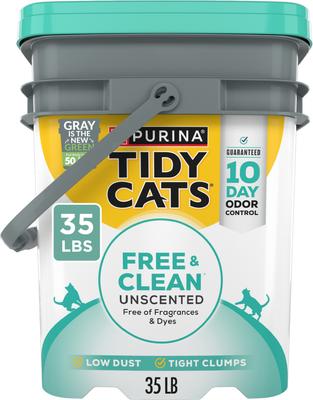
Tidy Cats Free & Clean Unscented Clumping Clay Cat Litter, 35-lb pail
There is also the issue of cramped or covered boxes. Many commercial trays are smaller than they look. Modern indoor cats expect to sniff, turn around, dig, and cover in comfort. When a tall youngster or a long legged adult tries to do that in a tight or domed enclosure, urine often ends up over the edge or on the wall. Some cats develop a habit of peeing just outside the entrance. Others stop using the box altogether. One tall, rangy cat had been surrendered multiple times because she “always peed next to the box.” Once she was offered a large storage tub with high sides and a cut out doorway, every drop stayed inside. The “behavior problem” was really an equipment problem.
Then there is the temptation to chase sales or trends. Scented crystals, pellet systems, recycled paper, pine, silica gels. Walking through a store in 2025 can feel like browsing phone plans. Constantly rotating brands or textures may seem harmless, but for many cats it feels like the ground changing under their feet. One multi cat home used to switch to whichever product was on promotion. When the litter in all boxes changed at once, several cats began eliminating in bathtubs and showers. Once the family picked a neutral, unscented clumping formula and stayed loyal to it, accidents vanished. Cats value predictability as much as cleanliness.
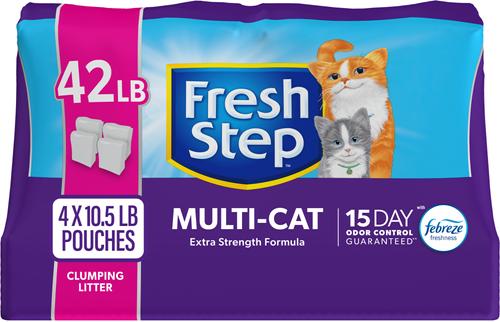
Fresh Step Multi-Cat Extra Strength Scented Clumping Cat Litter, 42-lb
Texture is a serious issue, especially for declawed or sensitive pawed animals. Coarse pellets, pebbles, or hard granules may look eco friendly or modern, but they can feel like walking on gravel with a bruised foot. A caregiver once tried a pine pellet product that smelled like a forest. One of her cats simply refused and moved her business to the shower stall. Switching back to a soft, sandy clumping option brought that cat back to the box within a day. Cats that jump in, rush their business, and rocket out are often “tolerating” the setup rather than genuinely liking it, which is an early sign of trouble brewing.
Finally, some households misread accidents as revenge. A cat that suddenly starts defecating beside the tray or urinating on the bed is not trying to punish anyone. One caregiver noticed her cat, Penny, faithfully used the litter for months, then started dropping stool right on the mat in front. At a vet visit, mild constipation and hairball discomfort were discovered. A switch to hairball friendly treats, some laxative paste, and a second tray nearby restored perfect cat hygiene. The message was medical, not spiteful. Whenever elimination habits change, especially in mid life or older cats, cat health has to be checked first before assuming any “bad attitude.” The real insight is that cats almost always have a reason, even if humans do not see it at first.
Once these common patterns are recognized, it becomes much easier to tweak the environment rather than blame the animal. That sets the stage for looking more closely at how cleanliness, smell, and daily care affect whether a cat feels safe using the box.
Cleaning, odor, and comfort: litter box maintenance without stressing your cat
Cleanliness is usually where good intentions crash into reality. Busy schedules, children, remote work, and a long to do list make it very easy to forget that cats live nose level with their toilets. A box that looks “fine” to a human walking past can smell overwhelming to an animal whose sense of smell is far sharper. Behavior specialists often say that if a person would not willingly use a public restroom in the same condition, a cat should not be asked to either. When accidents start, one of the first questions to ask is whether scooping and full changes are as regular as they seem in memory.
For most households, scooping at least once a day is the baseline, and twice works better for multi cat homes. Loose stools, certain medical conditions, or diets that lead to strong smells may call for more frequent checks. One veterinarian described cases where simply moving from “whenever the box looks bad” to a fixed morning and evening schedule resolved a large share of the issues. Regular scooping also allows early spotting of changes in volume, frequency, or appearance of urine and stool, which can signal urinary infections, kidney disease, or digestive trouble before more dramatic symptoms appear.
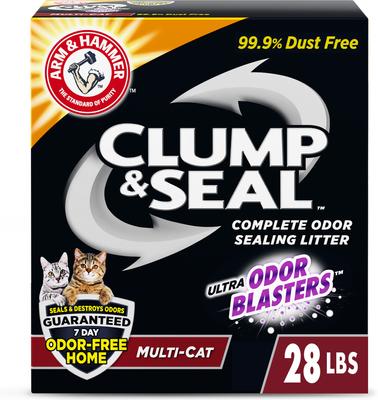
Arm & Hammer Litter Clump & Seal Multi-Cat Scented Clumping Clay Cat Litter, 28-lb box
The kind of cleaning products used also matters a lot. It is natural to want to fight cat odor control problems with powerful perfumes, citrus sprays, or vinegar based cleaners. Unfortunately, many of these are exactly the smells cats hate most. One veterinary behaviorist recommends hot water and a mild dish soap when doing full litter changes. That keeps the tray fresh without leaving a chemical cloud that lingers for the next use. Strong household disinfectants, pine oils, and citrus scented wipes can stick to plastic and continue to release fumes that push cats away. When urine or stool lands outside the box, enzymatic cleaners are often the safest way to truly remove the scent without adding harsh odors.
Another subtle form of improper cleaning appears when caregivers forget about covered trays. A domed or hooded box can trap ammonia, moisture, and dust even when the surface looks tidy. Because the mess is hidden, people sometimes scoop less efficiently or less often. Inside, the air quickly becomes unpleasant. A cat might feel like walking into a small, unventilated room after someone sprayed heavy perfume. Many animals start perching on the edge, half in and half out, which eventually leads to accidents over the lip. Others quietly find a corner of carpet that smells fresher and start using that instead. Removing the hood from a long used tray has, in many homes, instantly solved months of “mystery” urination.
It is also easy to misunderstand what the right litter depth should be. Filling a tray with five or six inches of granules might feel like extra cleanliness insurance, but for a small cat that much depth can feel unstable, like wading into a sand dune. On the other hand, a thin dusting of litter leaves no room to dig or cover, which conflicts with deeply wired instincts. A middle path of about three inches works for many households, with minor adjustments based on each animal’s habits. Watching whether a cat confidently digs and covers, or hesitates and perches, provides more reliable feedback than any packaging slogan.
Dr. Elsey's Ultra Unscented Clumping Clay Cat Litter, 40-lb bag

There are also specific needs at different life stages. Tiny kittens require low sided trays they can hop into easily, often with non clumping litter at first to avoid problems if they taste or chew the granules. As adolescents, they often turn into acrobats who can leap into anything, so larger open boxes become practical. Seniors and arthritic cats go the opposite way. They may benefit from extra roomy facilities positioned where they do not have to climb stairs, with at least one box featuring a low cut entrance so stiff joints are not challenged by tall walls. Some caregivers mistake reluctance to jump into a high sided tray for “laziness” when it is actually joint pain.
Long haired cats bring a different wrinkle to litter box maintenance. A fluffy tail and hindquarters can trap stool that later falls off on the carpet, giving the impression of deliberate soiling. In one home, an older long haired tabby left occasional solid pieces around the house despite clearly using the tray. The core of the issue was not behavior at all, but fur. Regular sanitary trims around the rear, done at a vet clinic without full anesthesia, eliminated stray droppings for months at a time. For some coats, brushing plus trimming is as important for hygiene as any scooping schedule.
When cleaning practices line up with feline senses and bodies, boxes become genuinely inviting instead of barely tolerable. That foundation makes it much easier to see when remaining issues are about where the box sits or which type of cat litter is inside, which leads directly into how to choose and place trays so cats truly feel secure.
Litter type, placement, and signals your cat is unhappy with the box
Once cleanliness is on track, two big factors tend to decide whether a cat loves or avoids the box: what is under their paws and what is around them while they use it. Texture preferences are more important than many people realize. Most domestic cats gravitate toward soft, fine, sandy substrates that resemble the desert soils their ancestors used. Unscented clumping litters often mimic that feel. Rough pellets, recycled chunks, or marble like granules can feel harsh, especially for declawed cats whose paws are more sensitive. One declawed cat switched to urinating on a bathroom rug the day a new pellet product went into the tray and returned to normal within hours of switching back to a softer option.
The strongest rule here is simple: the best product is the one the cat uses happily. That may sound obvious, but in practice humans often choose litters based on price, advertising, or environmental messaging. Some families fall in love with a pine or silica product because the bag promises long lasting freshness, even as their cat hesitates at the entrance every time. Others keep hunting for new formulas when everything is already working. A long time multi cat household once followed every trend, changing brands whenever a new scent launched. The result was weeks of experimenting punctuated by accidents. When they finally identified a fine textured, unscented variety that every cat used confidently, they stopped switching. Stability turned out to be just as powerful as any special ingredient.
Smell, again, plays a role inside the litter itself. Strongly perfumed products may seem helpful for cat odor control, but to a cat they can make the entire tray smell like a soap factory. Unscented or very lightly scented options paired with good scooping often work better. A simple way to gauge this is to kneel next to the tray after pouring a new brand and breathe in at the same height as the cat. If the scent feels sharp or overwhelming to human senses, it is almost certainly too much for an animal with a far stronger nose.
Placement is the other half of the puzzle. In the wild, cats choose elimination spots where they can see their surroundings, with at least one or two clear escape routes. They avoid narrow dead ends or corners where they could be trapped. Translating that into a home means no trays pressed into tight gaps behind noisy appliances, beside slamming doors, or directly under cat trees where another feline can loom above like a cartoon villain. One client proudly designed a beautiful “bathroom room” with shelves and tunnels for play, then lined all the boxes along one wall. Several cats stopped using them and began urinating in the open center of the room. From the feline point of view, high shelves above the trays created blind spots and a constant fear that another cat could pounce from above.
Territory dynamics in multi cat homes make location even more important. A dominant or anxious animal can effectively block access just by lounging in a hallway or staring at a doorway. In one household, a confident male planted himself in the middle of the corridor that led to a spare room where all five trays were grouped. His caregiver thought he just liked that sunny patch. In reality, he was acting like a bouncer, and the lower ranking cat quietly began eliminating on a bedroom rug to avoid a confrontation. The simple act of scattering boxes into different rooms, covering each cat’s favorite area, broke the bottleneck and restored peaceful cat hygiene.
Another common mistake is hiding every box in distant rooms that humans barely visit: garages, unfinished basements, outdoor storage spaces. Aside from the noise and temperature swings in those areas, distance matters. Young kittens, senior cats, or those managing illnesses such as diabetes or kidney disease may need to urinate more frequently or urgently. When the nearest tray is a flight of stairs and a long hallway away, they may not always make it. Adding at least one box to the main living area, on each level of a multi story home, respects changing bodies and avoids asking them to climb when they are uncomfortable.
Some signs that a cat is unhappy with the current setup are obvious. Urinating on soft surfaces like beds, laundry piles, or bath rugs often signals a search for comfort or security. Defecating right beside the tray, on a mat or tile, commonly points to either discomfort in the act itself or a dislike of something about the litter. Less obvious clues include perching with only front paws inside the tray, darting in and out as quickly as possible, meowing or crying before or after using the box, or staring at the tray and then walking away without entering. These behaviors are gentle warnings before full refusals arrive.
Health and behavior are always intertwined. In many clinics, roughly half of the litter related complaints resolve with medical treatment rather than environmental changes. Pain from urinary infections, bladder stones, constipation, or arthritis can make a cat associate the box with discomfort, even if the tray itself is perfect. That is why any sudden change in elimination habits, especially for adults who previously used the box reliably, deserves a veterinarian visit. Once pain is managed, returning to a thoughtfully placed, comfortable box helps rebuild a positive association.
When experimentation is needed, offering choices works far better than forcing a single solution. Setting up two or three trays with different litters and watching which ones the cat chooses lets the animal “vote.” The box that gets regular use becomes the standard, while less popular options are phased out. In one home with a catio, a cat named Barney suddenly started using the grass instead of his indoor tray. His caregiver responded by adding three indoor boxes with different cat litter types. Barney chose one soft, unscented option enthusiastically. The other two stayed nearly untouched and were quietly removed later. Listening to those choices, rather than insisting on a favorite brand, restored harmony.
In the end, avoiding cat litter mistakes is less about memorizing rules and more about noticing how each individual cat moves, digs, and relaxes around the box. When the tray is large enough, the litter feels right, the location feels safe, and cleaning is gentle but consistent, most cats settle into a steady routine. That quiet, predictable rhythm is a gift both to household floors and to feline peace of mind.


