

One of the biggest mysteries in modern cat guardianship is how a perfectly ordinary-looking rescue cat can carry very specific needs. A sleek black coat, an extra toe, a stubborn sensitivity to certain medications, or recurring tummy trouble can feel random until DNA analysis adds context. A well-made Cat DNA test kit brings that context into the home. It is a practical, mail-in style option that turns a quick cheek swab into veterinary insights worth discussing at the next appointment.
These at-home kits are designed to be approachable. The sample is collected in minutes, shipped to a lab, and returned as a digital report that covers topics like breed identification, inherited appearance features, and optional health screening for known genetic risks. For busy households, that convenience matters. It removes the pressure of booking an extra visit just to satisfy curiosity, while still supporting smarter pet care decisions. The real value comes from using these results as a guide for prevention and partnership with a veterinarian, not as a final diagnosis.
How Cat DNA Test Kits Work at Home (From Swab to Report)
A typical Cat DNA test begins with a simple collection step. Most kits use a soft swab that is rubbed along the gums and inner cheek for several seconds, then placed into a tube and mailed to the lab using a prepaid label. That is the moment many cats surprise their people. Some tolerate it with a bored blink, while others act offended for exactly two minutes and then return for snacks like nothing happened.
In shelter settings, swabbing can be even easier than expected. A timid adult named Juniper once flattened to the back of her kennel whenever hands approached. With a towel wrap and a calm pause, the swab took under 20 seconds. The bigger challenge was not the sampling, it was remembering to reward her with a lickable treat afterward (a small mistake that made the next handling session harder than it needed to be). A quiet routine and a predictable payoff make a difference for cats who already feel unsure.
What the lab is actually doing during DNA analysis
After the sample arrives, the lab extracts DNA and looks at thousands of markers. That genetic testing is then compared to the company’s reference database. A larger database can improve how finely results are estimated, especially for mixed-ancestry cats. Even so, results are best viewed as a well-informed model, not a perfect family tree. Cat breeds and categories are human-made labels layered onto a species with a long history of natural mixing.
Turnaround times vary by company and shipping speed. Some reports arrive within about two weeks, while others take four to six weeks. When results come back quickly, it is easier to act while an owner is still paying attention. In real homes, momentum matters. A family fostering a young tomcat named Pico once received results fast enough to bring them to his first post-adoption exam. That timing helped the veterinarian tailor baseline testing and discuss future watch-outs with clarity.
The next step is choosing a kit that matches the kind of story a cat’s genes can tell, from ancestry curiosity to proactive pet health planning.
Three Cat DNA Test Kits Worth Comparing for Breed Identification and Health Screening
Shopping for a Cat DNA test can feel oddly personal because every brand frames the story differently. Some lean into breed identification and ancestry. Others emphasize health screening and carrier status for inherited conditions. The most helpful choice depends on what question is being asked. Is the goal to understand why a cat has a plush coat and round face, or to explore whether a pattern of symptoms could have a genetic component?
In community adoption events, there is a predictable moment when a family points at a long-haired kitten and says, “That one looks like a Maine Coon.” Sometimes they are right. Often, the result is a mix of populations rather than a single neat label. A good kit makes that conversation fun while keeping expectations realistic, and it provides a bridge to smarter pet care planning.
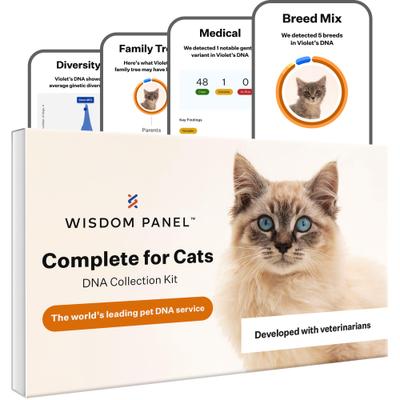
Wisdom Panel Complete Cat DNA Test: detailed reports with strong health focus
Wisdom Panel Complete Cat DNA Test is built for people who want breadth. It screens for more than 70 breeds and populations and can report small percentages down to about 1 percent, which can be satisfying for mixed cats. It also offers over 45 health insights and tests more than 25 physical features, linking genetic traits to visible features like coat patterning, tail length, or the likelihood of extra toes.
In a practical example, a shelter adopter once brought in a silver tabby with a family history unknown and a sensitive stomach. The Wisdom-style health section helped frame a productive vet discussion about what to monitor and what not to panic over. The report did not diagnose a disease. It did, however, give the veterinarian a better starting point for conversations about risk, baseline bloodwork timing, and medication choices.
This brand is also known for a large reference database and clear presentation. Results can come back in under three weeks, and in some real-world tests, even sooner. That speed supports follow-through, which is a quiet advantage many people underestimate.
Wisdom Panel Complete Cat DNA Test
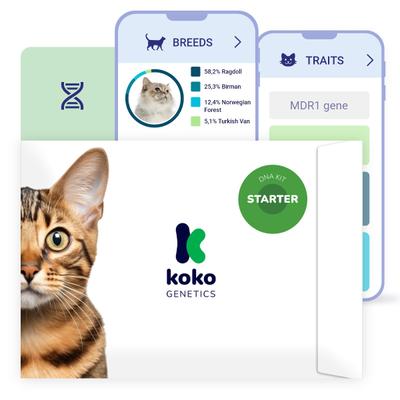
Koko Genetics Starter Cat DNA Test: ancestry and traits with ongoing updates
Koko Genetics Starter Cat DNA Test combines two analyses in one and reads tens of thousands of markers. The report focuses on breed background and a family-tree style view, plus dozens of appearance-related findings that explain how genes shape a cat’s look. The interface is designed to be intuitive, and the company offers free updates as features expand, which matters because cat genetics databases improve as more samples are added.
One foster volunteer tested a white-and-ginger adolescent who had an unusually plush tail and a bold, social temperament. The Starter report became a “get to know you” tool for adopters, helping them understand that certain genetic traits can cluster in populations, even when the cat is not formally a purebred. The biggest lesson was behavioral, not biological. Adopters used the trait explanations to set up enrichment, like higher perches and structured play, which reduced nighttime chaos within a week.
Results typically arrive in about four to six weeks, so it fits best for patient owners who want depth and future updates rather than a quick answer.
Koko Genetics Starter Cat DNA Test
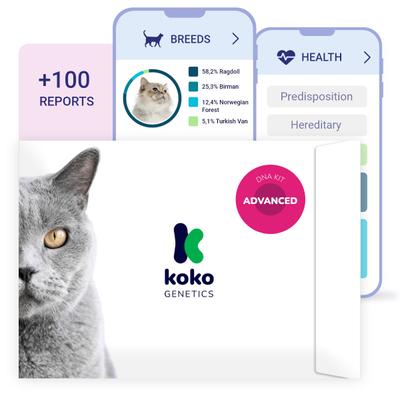
Koko Genetics Advanced Cat DNA Test: a broader 3-in-1 snapshot
Koko Genetics Advanced Cat DNA Test expands into a three-part package that covers ancestry, physical characteristics, and potential disease carriage. Like the Starter option, it analyzes tens of thousands of markers and includes free updates as the platform evolves. For owners focused on proactive pet health, the Advanced style can be appealing because it places breed background alongside health-related findings in one dashboard.
A practical home scenario: a middle-aged cat named Tansy had repeated urinary discomfort that came and went. No DNA report replaced her veterinary workup, but having an expanded genetic profile helped her owner ask better questions about hydration routines, stress reduction, and whether certain risks are more common in cats with similar backgrounds. The calmest outcome was the best one. Instead of chasing internet rumors, the household built a realistic care plan with their vet and stuck to it.
With a kit chosen, the most meaningful part begins next: turning genetic information into prevention habits that keep a cat comfortable.
The most helpful reports are the ones that lead to calmer routines, better questions for the clinic, and fewer “wait and see” moments when something feels off.
Koko Genetics Advanced Cat DNA Test
Hidden Health Clues, Owner Benefits, and the Limits That Keep Cats Safe
The headline promise of genetic testing is not fortune-telling. It is earlier awareness. A strong report can highlight predispositions linked to known mutations, carrier status for inherited conditions, and patterns that may relate to medication sensitivities. That matters because cat health issues are often quiet until they are not. When people think about pet health, they picture emergencies. The real win is preventing the emergency by noticing risk earlier and building habits that reduce it.
Many owners have seen a version of this story with kidney values, heart changes, or repeated dental inflammation. A DNA report cannot confirm a diagnosis, but it can point to “watch this closely” topics. For instance, a health panel may flag risks related to heart disease markers or kidney-related concerns common in certain populations. That becomes a reason to ask a veterinarian about baseline monitoring. It also encourages practical home choices like adding water stations, using a fountain, scheduling more consistent weigh-ins, and taking appetite changes seriously.
What health screening can reveal, with real-life style examples
Genetic panels commonly cover categories like bleeding disorders, immune deficiencies, and drug sensitivities. In one community clinic case, a young cat needed a routine procedure and the caretaker mentioned a DNA result that suggested sensitivity to specific medications. The veterinarian adjusted the conversation and chose a safer plan. Nothing dramatic happened, which was exactly the point. Quiet prevention is still prevention.
Another example comes from a senior adoption program. An older cat named Marbles had no obvious problems besides occasional fast breathing after play. A DNA-based risk note helped the adopter take that detail seriously rather than dismissing it as “just age.” The veterinarian recommended a heart-focused exam sooner than originally planned. The outcome was a manageable care routine rather than a crisis, and the adopter felt supported instead of scared.
These kits also report genetic traits that are not strictly medical but can still guide care. A result suggesting polydactyl likelihood, coat type, or other appearance markers can prompt owners to check paws more often for litter clumps between toes, adjust grooming tools, or notice skin irritation earlier.
Why owners feel calmer when they understand cat genetics
People often underestimate the emotional side. Having a genetic snapshot helps owners stop guessing. It also supports tailored routines, from feeding strategies to enrichment. A cat with a high-drive temperament and a strong prey sequence benefits from scheduled wand-toy sessions and puzzle feeders. A calmer cat might thrive with short, frequent play and predictable hideouts. While behavior is never determined by genes alone, cat genetics can help explain why two cats in the same home respond so differently to the same environment.
For shelters, these reports can help match adopters thoughtfully. A family with small children might do better with a cat whose profile suggests a steadier temperament and lower stress sensitivity, paired with proper socialization. It is not destiny. It is one more layer of understanding that can prevent returns and support long-term bonds.
Precautions and limits that protect good decision-making
Even well-designed panels are not perfect, and they are not a substitute for hands-on medicine. Genetic markers indicate probabilities and known associations, not certainties. That is why the safest next step is sharing results with a veterinarian who can place them in context and provide veterinary insights grounded in the cat’s exam, history, and lab work. A report should never be used to start or stop medication, change doses, or skip an evaluation when symptoms appear.
It also helps to remember that some results can be emotionally loud. Seeing a “higher risk” label may tempt an owner to overhaul everything overnight. A steadier approach works better. Bring the report to the next visit, circle the top two concerns, and ask what monitoring schedule makes sense. That simple plan turns DNA analysis into real-world pet care without spiraling into worry.
If a kit is sitting on the counter waiting for the “perfect moment,” the most cat-friendly strategy is to pick a calm evening, prep treats, and make the swab part of a normal cuddle routine (cats rarely object to routines that end with snacks).


