
| Why Does My Cat Purr? A Look at Feline Communication |
|
The phenomenon of cat purring remains one of the most intriguing aspects of feline communication. Cats typically purr as a means of expressing contentment and happiness, fostering social bonds with both other cats and their human companions. Through various emotional states, a purring sound can indicate excitement or satisfaction, becoming a vital part of the human-feline relationship. Additionally, purring serves as a self-soothing mechanism during stressful moments, helping cats to calm themselves. It’s essential to interpret the context in which cats purr, as it can also signal when a cat is in pain or discomfort.
Understanding why our cats purr is like deciphering a secret code written in their feline language. This intriguing vocalization plays a vital role in how cats communicate not only with us as their human companions but also with other animals. As we delve into the nuances of feline purring, we’ll explore the emotional aspects, the evolutionary significance, and the various contexts in which your cat may choose to purr. By the end of this article, you’ll have a clearer understanding of the complex language your cat speaks through its purrs.
The Emotional Landscape of Purring
Purring is often associated with contentment and happiness. When your feline curls up in your lap, vibes of relaxation fill the air, and their gentle purring can be a soothing soundtrack. This favorable emotional state flows from a combination of physical comfort and a feeling of security. But the meaning of purring expands beyond simply feeling good; cats can also purr to communicate different emotional states.
Positive Emotions
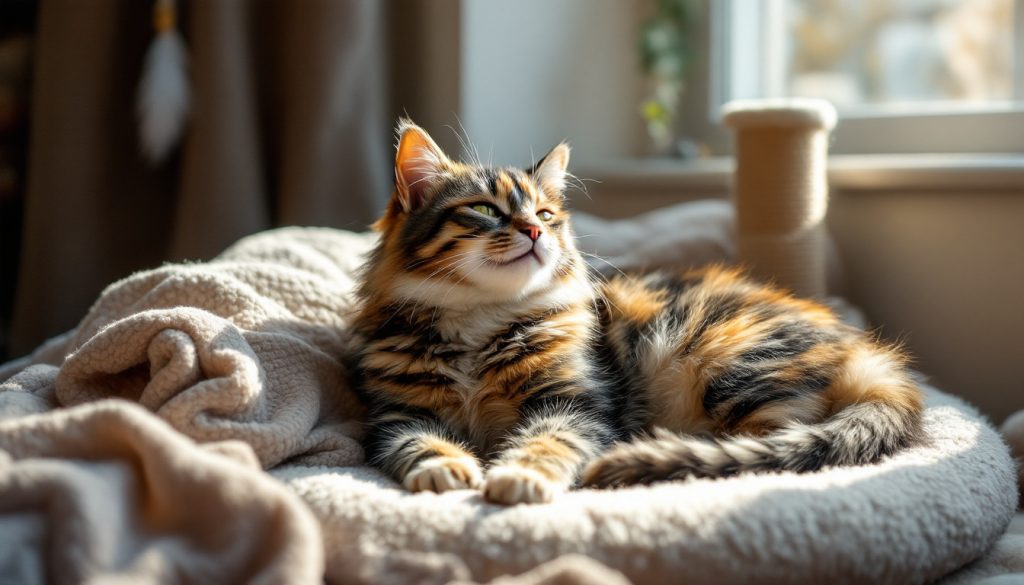
The primary reason cats purr is to express their contentment. When they receive affection, grooming, or even just a warm, sunny spot to nap, they may respond with this signature sound. The purr acts as a bridge to connect them with humans and other cats. It signifies a harmonious relationship, showcasing their comfort in their surrounding environment. Observing your cat purring while you pet them is a reminder of their trust and bond with you.
Self-Soothing Mechanism
Apart from expressing joy, cats sometimes purr when they need to calm themselves. Similar to how humans might hum a tune to ease their nerves, cats use purring as a form of self-soothing during stressful moments or when they are in pain. If your cat is recovering from an illness or feeling anxious, they might start to purr to comfort themselves. Understanding this aspect of purring can provide deeper insights into your cat’s emotional needs, especially during challenging times.
The Social Dynamics of Purring
Within the world of feline interactions, purring serves as a tool for socialization with both humans and other cats. It allows cats to create strong social bonds through communication. When cats purr, they emit a frequency that can be both inviting and reassuring.
Interestingly, purring isn’t just limited to expression of happiness; it’s a versatile form of feline communication. Cats use purring to signal to other cats that they are not a threat and to foster a peaceful atmosphere. This can particularly be observed during moments of social grooming or cuddling among feline companions. The comforting sound ensures cooperation and camaraderie, where bonding and trust are prioritized.
When it comes to interacting with humans, cats might adjust their purring tone to get attention or express their needs. For example, a loud, persistent purr may signify a demand for interaction or food. By discerning the subtle differences in their purring sounds, you’ll start crafting a better understanding of your cat’s wants and needs. If you ever wondered why your cat meows while purring, it’s merely a way to enhance their message. This blend of vocalizations can amplify their desire for companionship or a perhaps a treat.
Purring and Context: What Does it Mean?
Knowing that a purr could signify both happiness and anxiety highlights the importance of context while interpreting your cat’s vocalizations. The situation surrounding the purring holds equal weight in deciphering its meaning.
While it’s easy to associate purring with only positive emotions, it’s crucial to be aware that purring can also indicate discomfort or pain. When cats undergo a stressful situation or are facing health issues, they may resort to purring as a way of coping with their distress. For instance, a cat that suffers an injury or is sick may purr despite the pain. In these moments, it’s essential to look for other behavioral signals, such as changes in appetite or activity levels, to identify any underlying problems with your pet.
Cats may purr during rituals, such as when a mother cat interacts with her kittens. The act of purring serves not only to comfort the young ones but also guides them through the learning process. Kittens learn to associate their mother’s purr with safety and nourishment. Observations of these interactions illustrate how the connection between purring and maternal reassurance is deeply rooted in feline behavior.
The Science Behind Purring
Deciphering purring also involves delving into the scientific aspects of this fascinating phenomenon. Research has shown that cats can produce purring sounds at specific frequencies, often between 25-150 Hz. This frequency range is said to have therapeutic effects on both cats and humans. It’s not uncommon for cat owners to notice a sense of calm wash over them when their furry companions start to purr.
The intriguing aspect of purring lies in its frequency. Studies suggest that the frequency of purring can trigger biological repair mechanisms, which can assist in healing injuries or promoting bone density. This could explain why cats choose to purr not just during happy moments but also when they’re unwell. Their body’s natural response may coincide with a healing process, making purring a method of self-repair.
But how exactly do cats produce this delightful sound? The mechanism behind purring involves a complex series of muscle contractions. These contractions occur in the voice box, causing the glottis (the space between the vocal cords) to open and close rapidly. This rhythmic motion creates the soothing sound of purring. The sound often varies in intensity and tone, which can be influenced by the cat’s emotional state at the moment.
As cat owners, becoming fluent in the language of purring can help us build a stronger relationship with our furry companions. Paying close attention to the context surrounding their purring will allow better comprehension of their emotional landscape. Engaging in regular observation, especially during different activities, can yield valuable insights into your cat’s unique personality and communication style.
Noticing the patterns in your cat’s purring can be quite revealing. If they purr more frequently in certain environments or during particular interactions, it can help pinpoint what makes them feel safe and happy. For instance, a cat that purrs uncontrollably while being petted may indeed revel in the affection. Alternatively, a solitary purring session might suggest they’re using it to self-soothe. Being observant allows you to decode this language and respond appropriately to your cat’s emotional needs.
Purring never stands alone. It often comes with accompanying body language cues that can further clarify your cat’s emotional state. For example, a cat displaying a relaxed posture with their paws tucked in may signal contentment. Conversely, if purring is paired with an arched back or twitching tail, it could point towards agitation. Understanding the full spectrum of your cat’s behaviour can help you interpret the message behind the purring.
Our understanding of feline communication ultimately enhances our relationship with our feline friends. Engaging positively with your cat when they purr can deepen this bond. Recognizing and responding to their purring can forge a sense of companionship and trust.
The context of purring allows pet owners to respond effectively. When you notice your cat purring while curled up by your side, it’s an opportunity to engage with them. Offering gentle pets or coaxing them into playtime can reinforce the feelings of happiness they experience. Additionally, recognizing moments when they purr for attention or connection can deepen your bond and create positive associations between your presence and their comfort.
Interestingly, petting your purring cat can also have a calming effect on yourself. Many cat owners report that simply listening to their purring provides a sense of tranquility, highlighting how the cat-human bond can have reciprocal benefits. It’s a mutually beneficial experience that evokes positive emotions on both sides.
Purring has captivated humans throughout history and is often surrounded by cultural narratives that highlight its significance. Different cultures interpret feline purring differently, often endowing it with mystical or healing properties.
In several cultures, cats are associated with spiritual beliefs and folklore. Their purring has been linked to themes of protection and healing. Some tales even suggest that having a cat purring by your side can ward off negative energies. This cultural significance underlines the profound impact cats have had on human society and relationships throughout history.
As our understanding of feline communication continues to evolve, more scientific exploration into the purring phenomenon will emerge. Researchers are actively investigating the correlation between purring and various emotional or health-related benefits. These studies are vital not only for improved feline care but can also shed light on the historical bonds shared between cats and humans over the ages.
Ultimately, decoding why your cat purrs provides valuable insights into their intricate world of communication. As you learn to interpret the sound and context of their purring, the trust and bond between you and your feline friend will deepen. Embracing purring as a multifaceted form of communication enhances your understanding of their emotional needs while enriching your shared experiences.
As you navigate the beautiful journey of pet ownership, don’t forget that each purr tells a story. Encourage the exploration of your cat’s unique purring patterns, engage with their emotions, and revel in the enriching experience of cherishing these wonderful creatures.
For more information on understanding cat communication and behaviors, consider exploring additional resources such as: The Science Behind the Purr and The Secret Feline Language.
Understanding Your Cat’s Purr: Insights into Feline Communication
When I first adopted my cat, I was fascinated by the sound of her purring. It quickly became apparent that this gentle vibration was a form of communication. Every time she curled up next to me, her purr would resonate, radiating a sense of contentment and happiness. I realized that purring is not just a comforting sound; it serves as a way for my feline friend to reinforce the special bond we share.
One evening, while I was watching TV, my cat jumped onto my lap and started to purr loudly. I couldn’t help but wonder, “Why does my cat purr when she’s close to me?” After some research, I discovered that cats often purr to express their feelings and secure attention. In that moment, her purring was her way of saying, “I’m happy to be with you.”
Not all purring is a sign of joy, which I learned the hard way. When my cat had a veterinary visit, she began to purr while being examined. It was a surprising response that left me concerned. I soon realized that cats can also use purring to self-soothe in stressful situations. Understanding this aspect of her behavior has made me more attentive to her needs and emotions.
During playtime, my cat occasionally shifts from purring to a more energetic meow, often returning to purr when she catches her breath. This behavior has taught me that while purring typically signals positive emotions like excitement, it can also change with context. Paying close attention to her body language has helped me decode these nuances.
I noticed that when I engage my cat in direct eye contact, her purring increases significantly. This connection seems to affirm her sense of security. Humans might not realize how much impact gentle purring has on our pets. My cat’s vibrational language has shown me that each purr carries a story, revealing layers of emotional depth and provoking a deeper understanding of her world.
As I observe her in various situations, I’m constantly reminded that purring is a significant part of cat communication. It ranges from being a sign of well-being to an alert for possible distress. Therefore, deciphering the context behind each purr allows me to respond better to her ever-evolving needs, continuously strengthening our relationship.


